Hadeng Font: Vintage Style for Handmade Products
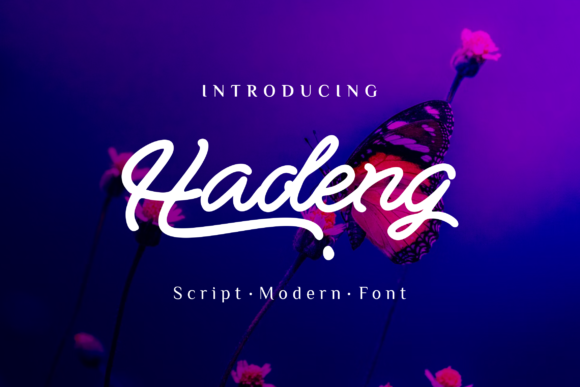
As makers and small business owners, we know that typography is often the difference between a product that looks homemade and one that looks professionally crafted. Finding the right typeface can be a challenge when you need something that balances aesthetic appeal with practical legibility on physical goods. Hadeng is a vintage and stylish display font that bridges this gap beautifully. Unlike overly ornate scripts that become illegible at small sizes or generic serifs that lack personality, Hadeng offers a distinct character that feels both nostalgic and fresh. For those of us creating everything from candle labels to wedding stationery, this font provides a reliable foundation for building a cohesive brand identity across multiple product lines.
Elevating Physical Products with Vintage Charm
The visual personality of Hadeng leans into a retro aesthetic without feeling dated. This makes it exceptionally useful for crafters who specialize in farmhouse decor, vintage-inspired apparel, or artisanal food products. When designing for physical items, texture and weight matter. Hadeng possesses enough structural integrity to hold up during production processes like vinyl cutting, screen printing, or embossing. Its letterforms are bold enough to be read from a distance on a market stall sign, yet detailed enough to add elegance to intimate items like jewelry tags or favor boxes.
For sellers on platforms like Etsy or at local craft fairs, perceived quality drives sales. Using a premium font like Hadeng signals to customers that attention to detail extends beyond just the handmade item itself to the entire presentation. Whether you are designing packaging for organic soaps or creating custom leather patches for hats, the font’s stylish demeanor adds an immediate layer of sophistication. It transforms simple text into a design element, making your products stand out in crowded search results and busy vendor halls.
Practical Applications for Makers and Designers
Versatility is key when investing in design assets. You need fonts that work as hard as you do. Hadeng shines in specific crafting contexts where readability and style must coexist:
- Candle and Soap Labeling: The font’s vintage vibe pairs perfectly with kraft paper, textured linen labels, and minimalist glass containers. It remains legible even when printed at smaller point sizes for ingredient lists or scent names.
- Apparel and Tote Bags: Ideal for t-shirt printing and heat transfer vinyl (HTV) projects. The sturdy letterforms weed easily on cutting machines like Cricut or Silhouette, reducing frustration and wasted material during production.
- Wedding and Event Stationery: Perfect for welcome signs, seating charts, and menu cards. It offers a formal yet approachable tone that suits modern rustic, boho, and classic wedding themes without looking stuffy.
- Digital Printables and Templates: Creates eye-catching headers for planners, wall art, and invitation templates. Because it is a display font, it anchors the design, allowing customers to instantly understand the theme of the downloadable product.
- Esports and Gaming Merchandise: Surprisingly effective for niche markets. Its bold, stylized nature works well for team logos, stream overlays, and gamer merchandise where a unique, non-traditional look is desired.
Readability and Production Considerations
While Hadeng is undeniably attractive, its true value lies in its functionality. As a display font, it is designed primarily for short phrases, titles, names, and logos rather than long paragraphs of body text. This distinction is crucial for product designers. Use Hadeng for the "hero" text—the product name, the couple's names on an invitation, or the main slogan on a sweatshirt. For supporting information like care instructions, dates, or website URLs, you will achieve better results by pairing it with a clean sans serif font or a simple serif font.
When working with cutting machines or small-scale printing, always test your sizing first. While Hadeng is robust, extremely thin connectors in vintage-style fonts can sometimes be delicate. However, this typeface has been crafted with commercial use in mind, meaning the strokes are generally consistent and resilient. For sticker makers, ensure there is adequate spacing between letters to prevent peeling issues. For digital download creators, preview your designs at actual print size to verify that the vintage details remain crisp and do not blur when scaled down for planner inserts or card fronts.
Strategic Font Pairing for Brand Consistency
Creating a professional look often depends on what you pair with your primary display font. Hadeng’s vintage characteristics make it a versatile partner in typography. To maintain a modern feel while honoring the retro roots, try pairing it with a geometric sans serif. The contrast between the expressive, historical shapes of Hadeng and the mathematical precision of a modern sans creates a dynamic tension that is visually engaging and highly readable.
Alternatively, for a softer, more romantic aesthetic suitable for baby showers or bridal showers, pair Hadeng with a delicate handwritten font. Just ensure the secondary script is significantly lighter in weight to avoid visual competition. If you are designing for a heritage brand or a bakery, combining Hadeng with a classic serif font can reinforce feelings of tradition and trustworthiness. Always check the included styles, alternates, and ligatures within the Hadeng file; utilizing these built-in features can help you customize the logo or header so it feels bespoke to your specific shop, rather than a default template.
Licensing and Commercial Use for Sellers
One of the most critical aspects of using any creative font in a business setting is understanding licensing. As a seller of physical products, templates, or digital downloads, you must ensure you have the appropriate commercial license for Hadeng. Standard personal licenses typically do not cover items sold for profit, including SVG designs, print-on-demand merchandise, or client work. Investing in the correct commercial license protects your business and respects the type designer’s intellectual property.
Before listing new products, review the specific terms provided with your purchase. Some licenses may have limits on the number of units sold or require an extended license for certain types of digital distribution. Clarifying these details upfront prevents legal headaches later. Furthermore, having a legitimate commercial license is often a requirement for selling on major POD (Print on Demand) platforms and can be a selling point for B2B clients who require proof of licensing for their own branding projects. By treating typography as a professional business asset, you build a sustainable, ethical, and visually stunning handmade brand that resonates with customers and stands the test of time.