Livemono: A Modern Display Font for Digital Branding and Web Design
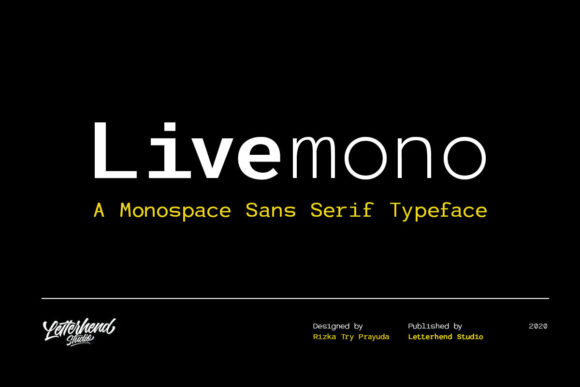
Livemono stands out as a contemporary display font designed to elevate digital experiences. With its clean lines, geometric structure, and minimalist aesthetic, it brings a fresh visual tone to websites, apps, and online branding projects. Whether you're crafting a landing page, designing a logo, or building a digital storefront, Livemono offers a balance of personality and readability that works well in modern web design.
Visual Characteristics and Digital Appeal
The Livemono typeface blends modern minimalism with subtle geometric influences, making it ideal for designers who want a font that feels current without being overly stylized. Its open letterforms and consistent spacing contribute to strong legibility on screens, even at smaller sizes. The font carries a neutral yet expressive tone, allowing it to fit into a variety of brand identities—from tech startups to lifestyle brands and creative portfolios.
Available in multiple weights and styles, Livemono supports responsive web layouts and maintains visual harmony across different screen sizes. Its digital appeal lies in its ability to function both as a statement font in hero sections and as a refined accent in navigation bars or call-to-action buttons.
Using Livemono in Web Design Layouts
In web design, typography plays a critical role in guiding user attention and reinforcing brand identity. Livemono excels in header areas, hero banners, and section titles where visual impact is key. When used in a landing page headline, it creates a strong first impression that aligns with modern design trends.
- For a boutique online store, Livemono can serve as the primary font in product banners and promotional graphics.
- On a coaching or course sales page, it adds clarity and confidence to key value propositions and feature highlights.
- In a creative portfolio, Livemono enhances the visual rhythm of project titles and category tags.
Its structured letterforms also work well in mobile navigation menus and small buttons, ensuring that interface elements remain legible and visually cohesive across devices.
Readability and Visual Hierarchy
One of the most important considerations in digital typography is readability. Livemono’s open counters and balanced spacing make it easier for users to scan and process information quickly. This is especially valuable in high-conversion areas like landing page headlines, subscription form labels, and social media graphics.
When designing with Livemono, it's best used for short to medium-length text such as headings, subheadings, and accent text. For longer body copy, pairing Livemono with a clean sans serif or serif font creates a strong visual hierarchy while maintaining readability.
On dark backgrounds, Livemono retains its clarity when used in white or light gray tones. For image overlays, increasing contrast and using text shadows can enhance legibility without compromising design aesthetics.
Brand Tone and Digital Identity
Fonts are more than visual elements—they shape how users perceive a brand. Livemono conveys a sense of professionalism, modernity, and creativity. It works well for brands that want to communicate innovation and approachability without sacrificing polish.
For digital product creators and SaaS founders, Livemono can be a foundational element of a cohesive brand kit. Whether used in logo design, app interfaces, or email templates, it supports a unified visual language that strengthens brand recognition.
When integrated into a brand identity system, Livemono pairs well with complementary typefaces. For example:
- Pairing Livemono with a neutral sans serif like Open Sans or Inter enhances readability in supporting text.
- Combining it with a serif font like Merriweather introduces contrast and editorial sophistication for content-driven sites.
- Using Livemono alongside a script or handwritten font adds warmth and personality to creative branding projects.
Practical Applications and Use Cases
Livemono is particularly effective in digital spaces where clarity and style intersect. Here are a few practical use cases:
- Portfolio Websites: Use Livemono for project titles and navigation labels to create a clean, modern interface.
- Product Landing Pages: Apply it in headline sections to draw attention to key features and benefits.
- E-commerce Stores: Implement Livemono in banners, category headers, and promotional text for a cohesive shopping experience.
- Blog Headers: Enhance article titles with Livemono to improve visual engagement and readability.
- Course Sales Pages: Highlight course names and instructor titles with Livemono for a professional yet approachable look.
Its adaptability makes it a strong choice for designers building digital templates, brand kits, or UI design systems that need to scale across multiple platforms and screen sizes.
Technical Considerations for Web Use
Before implementing Livemono into a live website or digital product, it's important to review the font files and licensing terms. Most premium display fonts, including Livemono, come with webfont formats such as WOFF and WOFF2 for optimized performance.
Check for the following:
- Available Styles: Ensure the font includes bold, medium, and light weights for flexible design use.
- Language Support: Verify that Livemono supports multilingual characters if your audience is international.
- Ligatures and Alternates: Some display fonts include stylistic alternates or ligatures that add visual interest in logo text or headlines.
- Font Pairing: Confirm that Livemono complements your chosen body font in terms of x-height, contrast, and overall tone.
Licensing and Commercial Use
When using Livemono in a commercial project—whether it's a client website, online store, landing page template, or branded digital asset—it's essential to review the font’s licensing agreement. Most premium display fonts require a commercial license for public-facing use, especially when embedded in websites or distributed as part of a downloadable template.
Always verify that you have the appropriate license for the scope of your project. Many font marketplaces offer clear licensing options, including web-only, desktop, and extended licenses for broader use cases.