Rocka Font: A Brushed Display Typeface for Makers
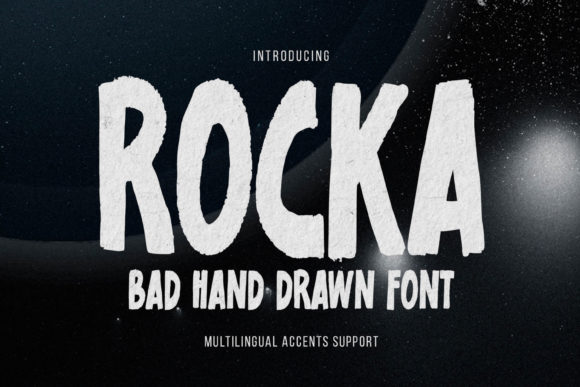
As a small business owner and crafter, I know the struggle of finding a typeface that feels both artistic and functional. We need fonts that look hand-painted but cut cleanly on a Cricut or Silhouette. We need typography that elevates a simple candle label into a premium product without sacrificing readability. This is exactly where Rocka shines. As a cool and brushed looking display font, Rocka brings an organic, textured energy to handmade projects that standard digital fonts simply cannot replicate. It strikes that difficult balance between rugged authenticity and polished design, making it an incredible asset for anyone creating physical products, printables, or branding materials.
The Visual Personality of Brushed Typography
Rocka is not your typical clean-cut sans serif or delicate script. Its personality lies in its texture. The brushed aesthetic mimics the natural drag of a dry paintbrush or marker, giving every letterform a sense of movement and human touch. For makers, this visual quality is gold. When customers browse Etsy shops or craft fairs, they are often drawn to items that feel personal and artisanal. A perfectly uniform font can sometimes read as corporate or mass-produced, whereas Rocka immediately signals "handmade" and "thoughtful."
This texture works exceptionally well for brands focusing on rustic, boho, outdoor, or vintage themes. However, because the brush strokes are controlled rather than chaotic, it avoids looking messy. It retains enough structure to function as a primary headline font on packaging or signage while still offering that coveted creative flair. Whether you are designing for a masculine grooming line, a cozy bakery, or an adventure travel blog, the versatile nature of this display font adapts to the mood of your project.
Practical Applications for Physical Products
The true test of any craft font is how it performs on actual merchandise. Rocka excels in applications where boldness and character are required. Here is how I have found it most useful in a production environment:
- Product Packaging and Labels: Use Rocka for the main product name on jar labels, box sleeves, or hang tags. The brushed texture adds depth to flat printed paper, making the packaging feel more expensive.
- Apparel and Tote Bags: Because the letters have substantial weight, they are ideal for screen printing, heat transfer vinyl (HTV), and sublimation. The font holds up beautifully on fabric without losing its definition.
- Signage and Welcome Boards: For weddings or events, Rocka creates stunning welcome signs. It is legible from a distance but retains the intimate, hand-lettered look that couples desire for their special day.
- Stickers and Decals: When cutting adhesive vinyl, the solid nature of the brush strokes means fewer weeding nightmares compared to thin scripts. It produces durable stickers that won't peel at tiny edges.
Digital Downloads and Printable Design
For those of us selling digital templates or printable wall art, Rocka offers significant commercial value. In the saturated market of digital downloads, unique typography is a key differentiator. Using this typeface in editable Canva templates or Corjl listings allows customers to create professional-looking party invitations or social media graphics without needing advanced design skills.
When designing printable wall art, Rocka serves as an excellent focal point for quotes or affirmations. The textured style translates surprisingly well to digital formats, adding warmth to screens and standard home printers alike. Just ensure you provide high-resolution files so the brush details remain crisp when customers print at larger sizes. For social media templates, the font’s bold presence ensures text remains readable even when viewed as a small thumbnail on a phone screen.
Readability and Cutting Machine Considerations
While we love artistic fonts, functionality must come first. A beautiful font is useless if it cannot be read or manufactured reliably. Rocka is designed with the maker’s workflow in mind. Unlike distressed grunge fonts that have internal gaps or broken lines, Rocka maintains solid fills within its brushed exterior. This is crucial for cutting machines. You won't have to worry about the blade catching on internal artifacts or letters falling apart during the weeding process.
However, because it is a display font, moderation is key. Rocka is best suited for short phrases, titles, names, and emphasis words. Avoid using it for long paragraphs or fine print. For body text on a product description card or invitation details, pair it with a simple, clean sans serif or a classic serif font. This contrast not only ensures readability but also makes the Rocka headlines pop even more. Always test your cut settings on scrap material first, especially if you are sizing the font down for small tags or charm bracelets, to ensure the brush texture doesn't merge into a blob at tiny scales.
Strategic Font Pairing for Brand Identity
Creating a cohesive brand identity requires knowing how to mix typefaces. Rocka plays incredibly well with others due to its distinct yet balanced character. For a modern farmhouse look, pair it with a refined serif font like Playfair Display or Lora. The contrast between the structured serifs and the wilder brush strokes creates a sophisticated tension that looks high-end.
If your brand leans more towards playful or youthful, try pairing Rocka with a minimalist geometric sans serif. The simplicity of the supporting font grounds the energetic display typeface, preventing the design from feeling overwhelming. For wedding stationery, combining Rocka with a flowing, elegant script can bridge the gap between formal tradition and relaxed celebration. Just remember the hierarchy rule: let Rocka be the star of the show, and use your secondary fonts to support and clarify the message.
Licensing and Commercial Use Essentials
Before incorporating Rocka into your shop, always verify the specific licensing terms included with your download. As creators, we must respect intellectual property while ensuring our businesses are protected. Most premium font licenses for crafters cover the creation of end products—meaning you can sell the t-shirt, the sticker, or the printed invitation featuring the font.
However, be mindful of restrictions regarding digital redistribution. Typically, you cannot include the raw font file in a digital template kit or resell the font itself. If you are creating editable templates for platforms like Canva or Creative Market, check if the license explicitly permits embedding or linking for third-party editing. Understanding these distinctions prevents legal headaches down the road and supports the type designers who create these essential tools for our businesses. Investing in the correct commercial license is just as important as investing in quality materials; it validates your work and ensures your shop operates with integrity.